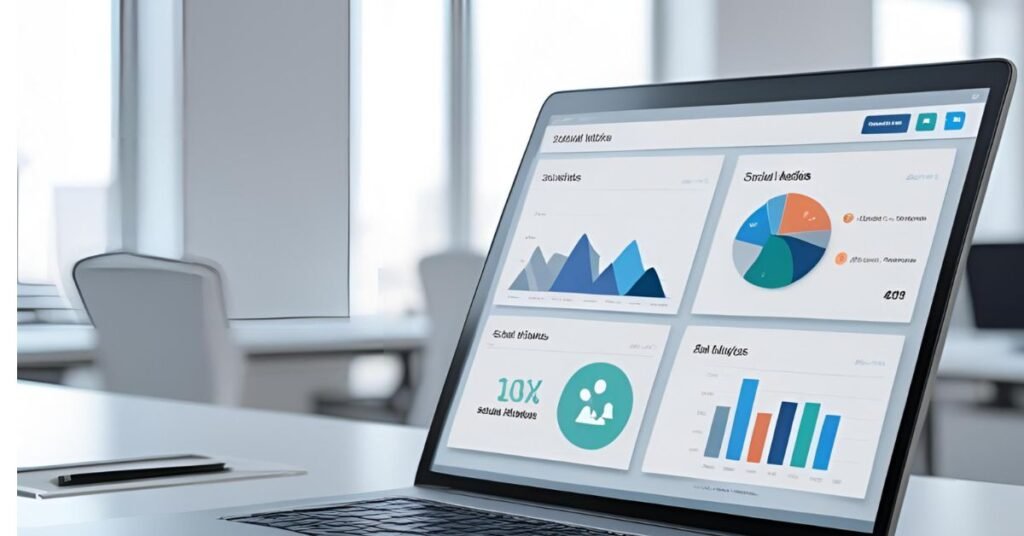
Why Digital Marketing Matters More Than Ever for Local Businesses Consumers now search online before visiting a store, booking a service, or making a purchase. Platforms like Google, Instagram, Facebook, and Tik Tok influence buying decisions daily. Consumers now rely on digital marketing channels before visiting a store, booking a service, or making a purchase. Through platforms like Google, Instagram, Facebook, and Tik Tok, buyers research brands, compare reviews, and evaluate credibility in real time.
In 2026, your local digital marketing presence — including local SEO, social media marketing, online reputation management, content marketing, and search engine optimization (SEO) — determines your business success.
1. Hyper-Local SEO (Search Engine Optimization)
Why It’s Critical in 2026
Local SEO remains the backbone of digital marketing for local businesses. When someone searches:
- “best coffee shop near me”
- “plumber in [city]”
- “dentist open now”
You want your business to appear in the top results.
Key Local SEO Strategies:
✅ Optimize Your Google Business Profile
Your Google Business Profile is your digital storefront.
- Keep name, address, and phone number consistent
- Add high-quality images
- Post updates weekly
- Respond to reviews
- Add FAQs
✅ Target Local Keywords
Use keywords like:
- “top digital marketing strategies for local business in 2026”
- “best bakery in [city]”
- “affordable AC repair in [location]”
Add city and neighborhood names naturally throughout your content.
✅ Focus on Voice Search Optimization
Voice searches are growing in 2026. People say:
- “Where’s the closest auto repair shop?”
- “Best family restaurant nearby”
Use conversational phrases in your content.
2. AI-Powered Marketing Automation
Artificial intelligence is transforming local business marketing.
Platforms like HubSpot and Mailchimp now allow small businesses to automate:
- Email campaigns
- SMS marketing
- Customer follow-ups
- Abandoned cart reminders
- Review requests
How Local Businesses Can Use AI:
- Personalized email campaigns
- Automated appointment reminders
- Chatbots for 24/7 responses
- Smart audience segmentation
In 2026, automation isn’t just for big brands—it’s accessible and affordable for small local businesses.
3. Short-Form Video Marketing
Short-form video dominates digital marketing in 2026.
Platforms like:
- TikTok
- Instagram Reels
- YouTube Shorts
These platforms help local businesses go viral—even with small budgets.
What Local Businesses Should Post:
- Behind-the-scenes content
- Customer testimonials
- Before-and-after transformations
- Product demos
- Local community involvement
Authenticity beats perfection in 2026.
4. Local Influencer Collaborations
Influencer marketing is no longer just for global brands.
Micro-influencers (1K–50K followers) have strong local trust.
Partner with:
- Food bloggers
- Fitness influencers
- Local lifestyle creators
- Community reviewers
For example, a restaurant collaborating with a city-based food influencer can drive massive weekend foot traffic.
Focus on engagement rate—not follower count.
5. Paid Local Advertising (Geo-Targeted Ads)
Organic reach is powerful—but paid ads accelerate growth.
Best Platforms for Local Ads in 2026:
- Google Ads (Search + Local Services)
- Facebook Ads
- Instagram Ads
- TikTok Ads
Smart Targeting Techniques:
- Radius targeting (5–10 miles)
- Retarget website visitors
- Lookalike audiences
- Local event-based ads
In 2026, AI-driven ad optimization makes campaigns more cost-effective than ever.
6. Reputation Management & Online Reviews
In 2026, reviews are as powerful as personal recommendations.
Consumers check ratings before visiting a business.
Focus On:
- Encouraging satisfied customers to leave reviews
- Responding professionally to negative feedback
- Showcasing testimonials on your website
- Creating review highlight posts on social media
A business with 4.7+ stars significantly outperforms competitors.
7. Conversational Marketing & Chatbots
Customers expect instant replies.
Chatbots integrated into websites, WhatsApp, and social platforms help:
- Answer FAQs
- Book appointments
- Share pricing details
- Capture leads
24/7 availability increases conversions.
AI chat tools in 2026 feel more human than ever, improving customer experience.
8. Mobile-First Website Optimization
Over 75% of local searches happen on mobile devices.
Your website must:
- Load under 3 seconds
- Be mobile responsive
- Have click-to-call buttons
- Include Google Maps integration
- Feature easy booking systems
Slow websites lose customers instantly.
9. Content Marketing for Local Authority
Blogging is still powerful in 2026—when done correctly.
Create helpful local content like:
- “Best Wedding Venues in [City]”
- “Top Home Renovation Trends in 2026”
- “Complete Guide to AC Maintenance in [Location]”
This builds authority and improves SEO rankings.
Long-form content (1,500+ words) performs best for search engines.
10. Community-Based Social Engagement
In 2026, community-driven marketing wins.
Engage in:
- Local Facebook groups
- Community hashtags
- City-based discussions
- Sponsorship announcements
- Event promotions
People support businesses that support their community.
11. Email & SMS Marketing for Repeat Customers
Acquiring a new customer costs more than retaining one.
Email and SMS help:
- Announce offers
- Promote seasonal discounts
- Share loyalty rewards
- Send appointment reminders
Personalization is key in 2026.
Segment customers by:
- Purchase history
- Location
- Behavior
- Preferences
12. Data-Driven Decision Making
Modern digital marketing is measurable.
Track metrics like:
- Website traffic
- Conversion rates
- Cost per lead
- Customer lifetime value
- Engagement rate
Use insights to improve campaigns continuously.
AI-powered dashboards now make analytics easier for local businesses.
13. Social Commerce & In-App Shopping
Social media platforms now allow direct purchases.
Through platforms like:
- Instagram Shops
- Facebook Marketplace
- TikTok Shop
Local businesses can sell without customers ever leaving the app.
This reduces friction and increases conversions.
14. Voice & Visual Search Optimization
Consumers now use:
- Voice assistants
- Image-based searches
- AI search tools
To stay competitive:
- Use descriptive alt text
- Add schema markup
- Optimize for conversational queries
- Upload high-quality images
Future-focused businesses are preparing now.
15. Personalized Customer Experience
In 2026, personalization is expected—not impressive.
Use data to:
- Recommend products
- Send birthday discounts
- Offer loyalty rewards
- Customize email flows
Customers stay loyal when they feel understood.